The Problem With Plastics
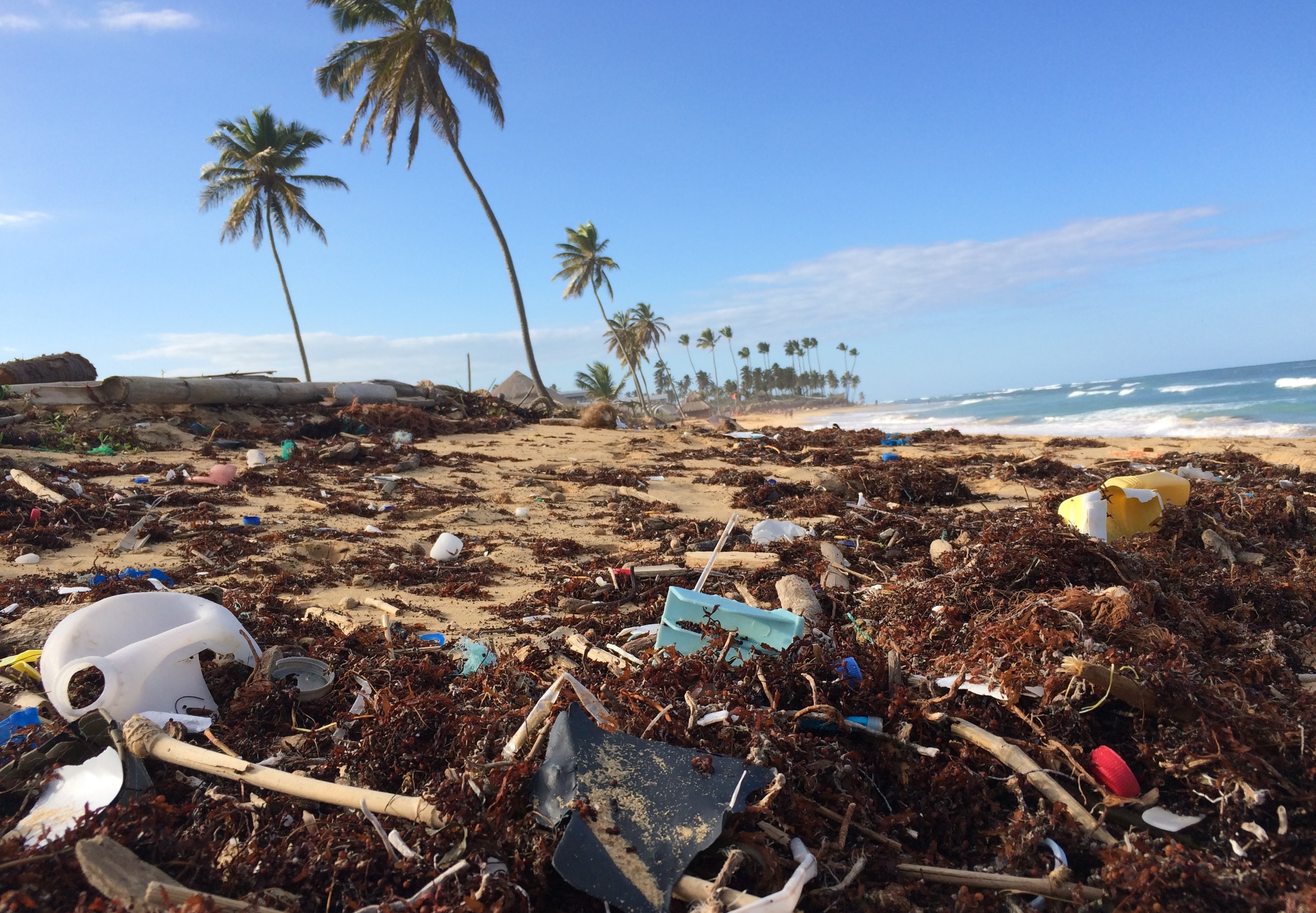
The world annually produces over 380 million tonnes of plastic. Plastics are versatile, durable and cheap, yet such benefits come at a cost. Today only 9% of plastic waste is properly recycled and another 12% is incinirated. The rest goes either to landfills or to the environment. As a result, about 11 million tons of plastic end up in the ocean every year, accounting for 80% of all marine debris.
At current rates of plastics production, consumption and recycling, the amount of plastic waste is expected to almost triple over the next 20 years, and the amount of plastics in the ocean will quadruple.
Ocean
Plastic
Pollution
the global crisis that causes environmental degradation, results in negative impacts on human health, affects our businesses and world economy.
The Risks and Consequences
of excessive plastic pollution
Marine ecosystems
The are about 150 million tons of plastic in the ocean today. Such a great amount of non-biodegradable waste in marine ecosystems damages its functions and affects biodiversity. More than 800 species are known to be affected by plastic pollution: animals cut, suffocate, get entangled and ingest plastic. Plastic waste alters natural habitats, destroys coral reefs, accumulates microbes and algae that harm marine life.
Human health
Plastic production and plastic waste incineration is assosiated with volatile organic compounds and persistent bio-accumulative and toxic pollutants. Prolonged exposure to these chemicals increases the risk of cancer, heart and lung diseases. Mismanaged plastic waste can block rivers and drainage systems, causing flooding and trapping stagnant water that exacerbates the spread of diseases in impacted communities.
Business
Many businesses depend on a clean ocean. Plastic pollution is responsible for significant business costs to fisheries, tourism and infrastructure operators. Risks include physical damage to ships and fishing assets, reduced fish catches from or declining fish stocks, and reduced demand and higher operating costs in the tourism industry. In addition, there are indirect risks to businesses stemming from the response to plastic pollution from regulators, investors, consumers, employees, and the general public.
Social economics
Using virgin plastic is more expensive than we think. Current methods of used plastic products management have high costs that are not reflected in markets. Socioeconomic impacts include loss of land value due to proximity to plastic pollution and reduced quality of life for coastal communities. One estimate suggests a loss of US$1.5 trillion per year from the ocean due to the reduction in seafood, genetic resources, oxygen, clean water, cultural value, and the reduced ability to regulate climate.
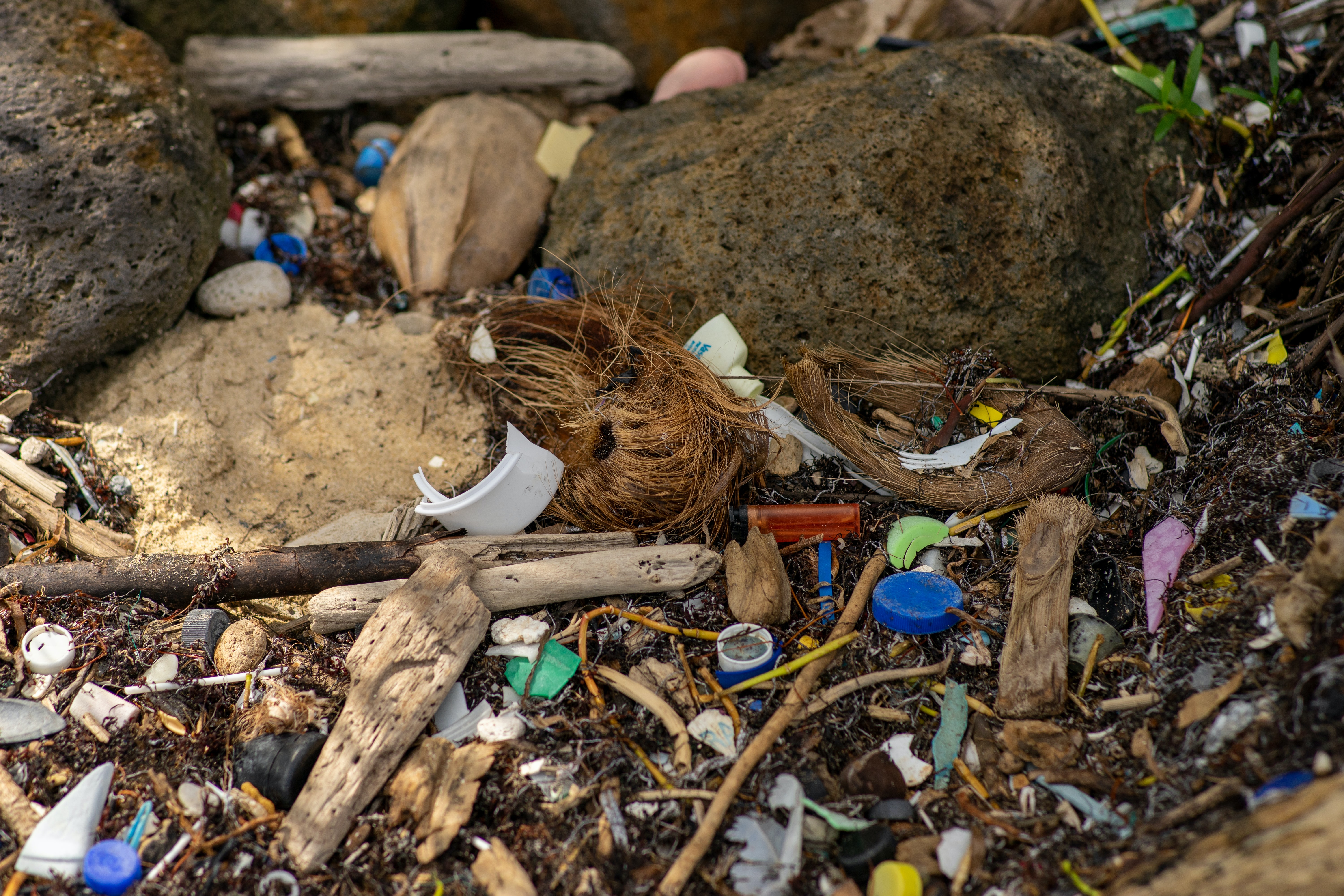
The world is fighting plastic waste in many different ways, from setting legal limits on the use of single-use plastic to developing innovative recycling methods. But due to prolonged inactivity, ineffective actions and inefficient use of resources, the problem continues to worsen.
We have a solution
Our team of marine, environmental and engineering specialists have conducted research on plastic pollution, studied already developed methods for its reduction, prevention and control measures taken. Based on the acquired knowledge and extensive experience, we have developed a well-thought-out action plan and are currently implementing a project that will significantly reduce the amount of plastic in the ocean by collecting & recycling it up to 100%.